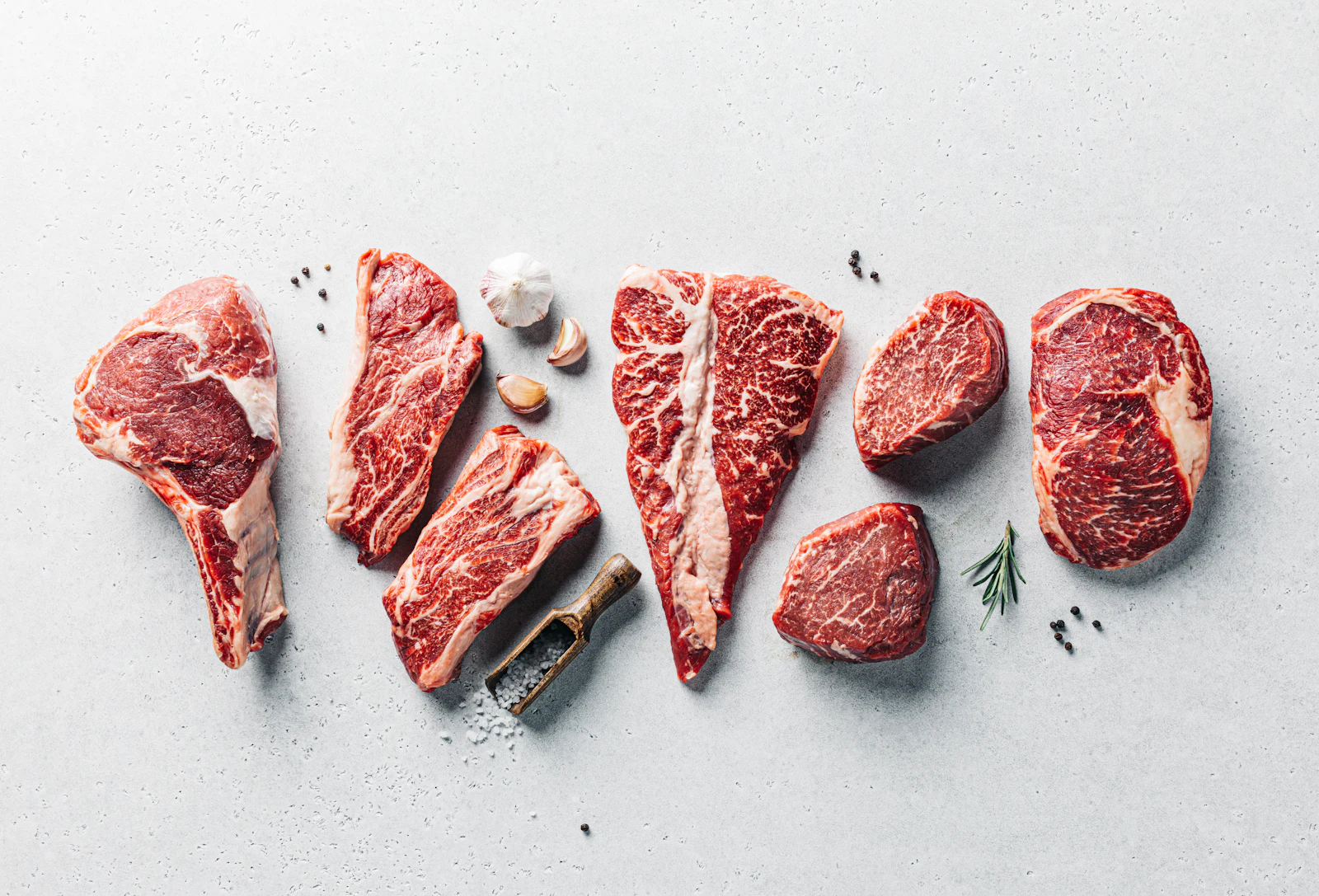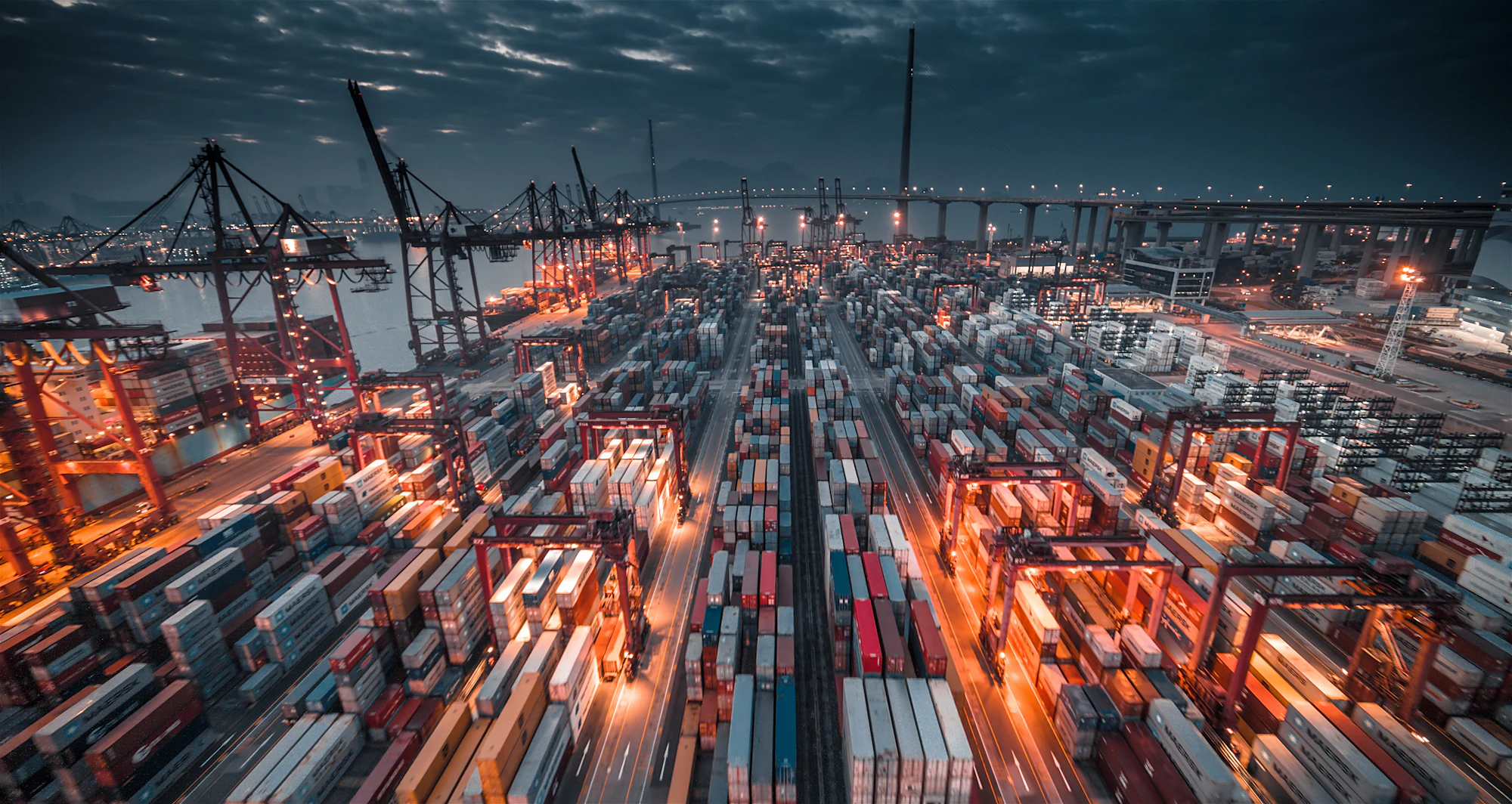
Brazil is the world's largest beef exporter, and most of what it ships abroad is frozen boneless beef in 40-foot refrigerated containers. Buying it is not complicated, but every step has its own rules. Skipping one is how importers lose time, money or an entire container at the port.
This guide follows the order a real purchase takes, from the first check to the moment the container clears customs.
1. Check that your country accepts beef from the plant
Brazilian beef can only go to countries that have a health agreement with Brazil, and only from plants that are approved for that specific country. A plant approved for Chile is not automatically approved for Saudi Arabia or the Philippines. See the regions we work with.
- Every exporting plant works under SIF, the Federal Inspection Service of Brazil's Ministry of Agriculture (MAPA), and has its own SIF number.
- MAPA publishes the list of establishments approved for each destination. Your own authority often keeps a list too, such as the SFDA in Saudi Arabia.
- Ask for the plant's SIF number before anything else and check it against both lists.
2. Have your import paperwork ready
On your side, the requirements depend on the country, but most importers need:
- an import license or permit for meat products;
- registration with the food safety authority;
- for the GCC, Malaysia and Indonesia, product slaughtered and certified halal by a certifier recognised in your market;
- labeling rules, such as Arabic labels in the Gulf.
Customs classification is usually HS 0202.30 for frozen boneless bovine meat, and the 0206 headings for frozen edible offal.
3. Write a clear specification
The quality of the quotation depends on the quality of the request. For cut names, use our Brazilian beef cuts guide. A good spec includes:
- Cuts and the share of each one in the container.
- Packing: vacuum-packed, boxed, frozen, with carton weight if you have a preference.
- Fat trim and any grading requirement.
- Halal or not, and which certifier.
- Shelf life and production date window.
- Destination port, Incoterm (FOB, CFR or CIF) and payment terms.
- Monthly volume, or whether this is a trial container.
4. Ask for a formal quotation
A serious quotation comes on company letterhead and states the price per tonne for the agreed Incoterm, the validity of the price, the shipment window, the payment terms and the documents that travel with the cargo.
One 40-foot reefer carries about 25 to 27 tonnes of boxed frozen beef. Prices move with the cattle cycle and the exchange rate, so validity is usually short.
5. Verify the plant before you commit
Before signing, read how to spot a fake meat offer and confirm that:
- the plant name and SIF number on the quotation match the official lists;
- the company exists, with a valid Brazilian registration (CNPJ);
- the halal certifier, when required, actually lists the plant;
- you can talk to the plant's export team or see the facility on a video call.
6. Sign the contract and choose how to pay
The most common terms for a first order are an irrevocable letter of credit (L/C) at sight, which protects both sides: the bank pays the exporter only when the shipping documents are presented in order. With a trading history, some plants accept CAD (cash against documents) or part TT in advance.
Payment should always go to the exporting company, never to a personal or intermediary account.
7. Production, documents and shipping
After the contract, the plant schedules production and books the container. The usual documents are:
- commercial invoice and packing list;
- bill of lading;
- international health certificate issued by Brazil's Ministry of Agriculture;
- certificate of origin;
- halal certificate, when applicable.
Containers usually leave from Santos, Paranaguá or Itajaí. As a rough guide, sea transit takes about 25 to 35 days to the Gulf and 35 to 45 days to Southeast Asia, depending on the route and transshipments.
8. Arrival and clearance
At destination, the authority checks documents, temperature records and, depending on the country, samples. Keep the cold chain unbroken from the port to your cold store: the product must stay at around −18 °C.
Quick checklist
- Plant approved for your country, with SIF number confirmed
- Import license and halal requirements covered
- Written spec with cuts, packing, port, Incoterm and payment
- Formal quotation with price per tonne and validity
- Contract and L/C in the name of the exporting company
- Full document set before the container sails
When your spec is ready, request a quotation and we come back with eligible plants and a price.